Fashion Brands Lead 40% of Mumbai Retail Leasing
Fashion and apparel brands made up 40% of Mumbai’s retail leasing activity in the first half of 2026, confirming that consumer-facing brands are still willing to commit to physical stores when the location supports their business model.
For developers and retail brokers, this should not be read as a simple demand surge for every commercial shop. Fashion brands typically evaluate a combination of factors before committing: visible frontage, pedestrian movement, parking, public transport access, neighbouring brands, store configuration and the spending profile of the surrounding catchment. A large carpet area without the right audience may remain difficult to lease, while a smaller unit on a strong high street can command stronger interest.
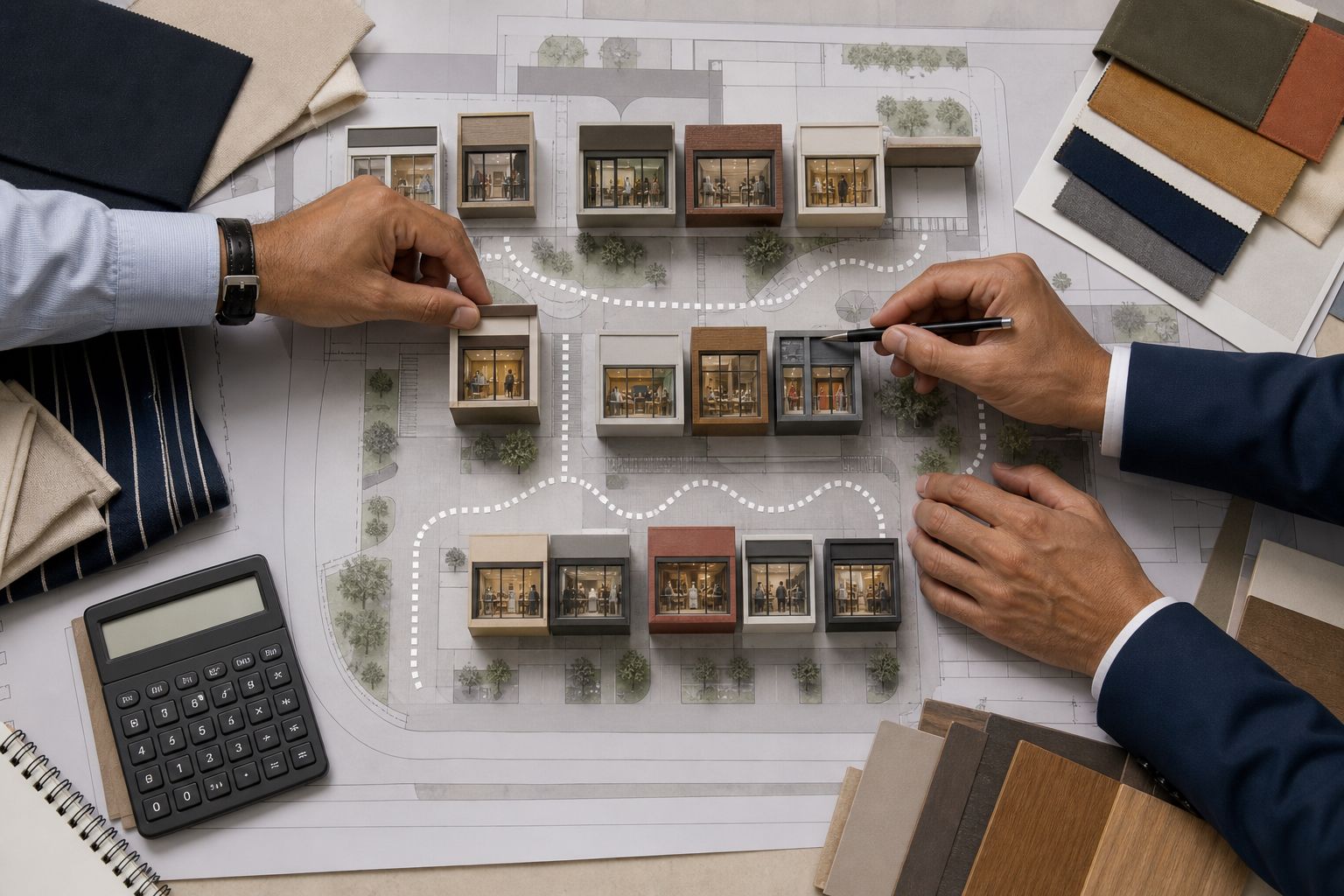
The trend also reinforces the need for planned tenant mix. A retail project works best when fashion, food, beauty, entertainment and essential services create reasons for consumers to visit repeatedly. Leasing too heavily to one category can make a centre vulnerable if consumer preferences change. Developers should therefore look beyond headline rentals and focus on occupancy quality, tenant stability and the ability of the location to generate consistent footfall.
For sales teams marketing mixed-use projects, retail demand can be a useful proof point—but only when supported by actual leasing activity and operational infrastructure. Promising “future high street retail” is not enough. Buyers and investors increasingly want clarity on frontage, circulation, parking, loading access and the tenant categories being pursued.
Key takeaway: Fashion brands are driving retail demand, but successful leasing depends on catchment quality and a balanced tenant mix.