MahaRERA Enforcement Gap Puts Developer Compliance in Focus
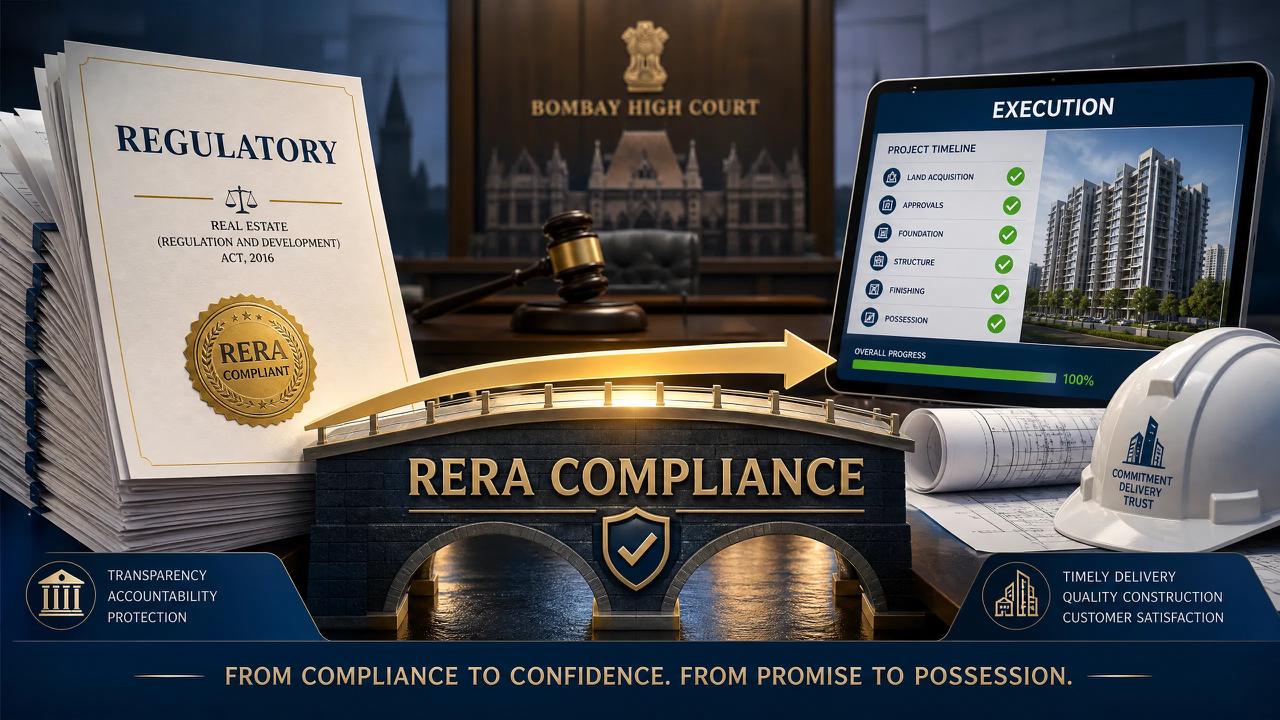
The Bombay High Court’s observations on the execution of MahaRERA recovery orders have brought attention to the enforcement side of real-estate regulation.
For developers and brokers, the development reinforces an important principle: compliance does not end when an order is passed. Project commitments, refund directions and other regulatory outcomes must be addressed through timely and transparent action.
For brokers, buyer communication is particularly important in delayed or disputed projects. A buyer should receive accurate information about project status, approvals, possession commitments and any material regulatory developments. Broad assurances without supporting records can create further risk for all parties.
For developers, strong compliance systems can help prevent disputes from escalating. Clear documentation, realistic timelines, financial planning and a transparent process for addressing buyer concerns are essential to long-term market credibility.
The court’s observation relates to a recovery process in a specific case. It does not establish wrongdoing by every developer or authority involved in RERA matters. However, it highlights a wider concern: the effectiveness of real-estate regulation depends on how efficiently its orders are enforced.
For the market, stronger execution can improve confidence. Buyers are more likely to trust regulated projects when they believe that commitments and regulatory directions will be taken seriously.
The next development to watch is how the concerned revenue authorities respond and whether recovery processes become faster and more predictable.